
Contents
- 🧬 Introduction to Dopamine
- 💡 The Role of Dopamine in Motivation
- 🔍 The History of Dopamine Research
- 👥 Dopamine and Social Behavior
- 🤖 The Neurobiology of Dopamine
- 📈 The Impact of Dopamine on Learning
- 🎯 Dopamine and Reward Processing
- 🚨 The Dark Side of Dopamine
- 🏋️♀️ Dopamine and Exercise
- 🧠 The Future of Dopamine Research
- Frequently Asked Questions
- Related Topics
Overview
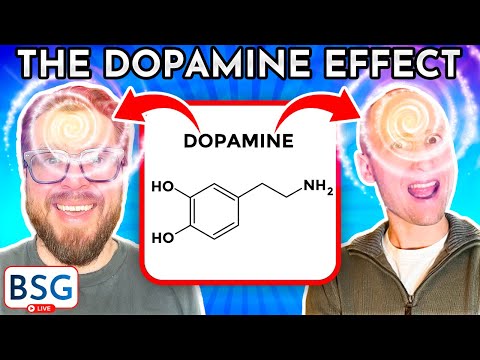
Dopamine is a neurotransmitter that plays a crucial role in motivation, pleasure, and reward processing. It is often referred to as the 'molecule of motivation' because of its ability to drive behavior and regulate emotional responses. Neurotransmitters like dopamine are essential for maintaining proper brain function, and imbalances in dopamine levels have been linked to various neurological disorders, including Parkinson's disease and Schizophrenia. The discovery of dopamine's role in motivation has led to a greater understanding of the neural mechanisms underlying human behavior, and has significant implications for the development of treatments for Addiction and other disorders. Researchers like Arvid Carlsson have made significant contributions to our understanding of dopamine's role in motivation. Dopamine's impact on motivation is complex, and is influenced by a variety of factors, including Genetics and Environment.
💡 The Role of Dopamine in Motivation
The role of dopamine in motivation is complex and multifaceted. Dopamine release is associated with the anticipation of reward, and is thought to play a key role in driving behavior. Reward processing is a critical component of motivation, and dopamine is essential for regulating this process. Imbalances in dopamine levels can lead to motivational deficits, and have been linked to disorders such as Depression. The relationship between dopamine and motivation is not fully understood, and is the subject of ongoing research. Motivation is a critical component of human behavior, and is influenced by a variety of factors, including Cognition and Emotion. Dopamine's role in motivation has significant implications for the development of treatments for Motional Disorders. Researchers like Eric Kandel have made significant contributions to our understanding of the neural mechanisms underlying motivation.
🔍 The History of Dopamine Research
The history of dopamine research is a long and complex one, spanning several decades. The discovery of dopamine's role in motivation is attributed to Arvid Carlsson, who was awarded the Nobel Prize in Physiology or Medicine in 2000 for his work on dopamine. Dopamine research has led to a greater understanding of the neural mechanisms underlying human behavior, and has significant implications for the development of treatments for various neurological disorders. The study of dopamine has also led to a greater understanding of the neural mechanisms underlying Addiction, and has significant implications for the development of treatments for this disorder. Addiction research is a critical area of study, and has the potential to improve the lives of millions of people worldwide. Researchers like Roy Wise have made significant contributions to our understanding of the neural mechanisms underlying addiction.
🤖 The Neurobiology of Dopamine
The neurobiology of dopamine is complex and multifaceted. Dopamine is synthesized in the Brain and is released in response to a variety of stimuli, including Food and Sex. Dopamine receptors are found throughout the brain, and are essential for regulating dopamine's effects. Imbalances in dopamine levels can lead to a variety of neurological disorders, including Parkinson's disease and Schizophrenia. The relationship between dopamine and neurobiology is not fully understood, and is the subject of ongoing research. Neuroplasticity is a critical component of brain function, and is influenced by a variety of factors, including Experience and Learning. Dopamine's role in neurobiology has significant implications for the development of treatments for various neurological disorders. Researchers like Vittorio Gallese have made significant contributions to our understanding of the neural mechanisms underlying dopamine's effects.
📈 The Impact of Dopamine on Learning
Dopamine has a significant impact on learning, and is essential for regulating emotional responses. Learning is a complex and multifaceted phenomenon, and is influenced by a variety of factors, including Motivation and Attention. Dopamine release is associated with the anticipation of reward, and is thought to play a key role in driving behavior. Imbalances in dopamine levels can lead to learning deficits, and have been linked to disorders such as Attention Deficit Hyperactivity Disorder. The relationship between dopamine and learning is not fully understood, and is the subject of ongoing research. Cognitive development is a critical component of human behavior, and is influenced by a variety of factors, including Genetics and Environment. Dopamine's role in learning has significant implications for the development of treatments for Learning Disabilities. Researchers like Eric Kandel have made significant contributions to our understanding of the neural mechanisms underlying learning.
🎯 Dopamine and Reward Processing
Dopamine plays a critical role in reward processing, and is essential for regulating emotional responses. Reward processing is a complex and multifaceted phenomenon, and is influenced by a variety of factors, including Motivation and Cognition. Dopamine release is associated with the anticipation of reward, and is thought to play a key role in driving behavior. Imbalances in dopamine levels can lead to reward processing deficits, and have been linked to disorders such as Addiction. The relationship between dopamine and reward processing is not fully understood, and is the subject of ongoing research. Emotion regulation is a critical component of human behavior, and is influenced by a variety of factors, including Social cognition and Personality. Dopamine's role in reward processing has significant implications for the development of treatments for Mood Disorders. Researchers like Roy Wise have made significant contributions to our understanding of the neural mechanisms underlying reward processing.
🚨 The Dark Side of Dopamine
The dark side of dopamine is a complex and multifaceted phenomenon, and is influenced by a variety of factors, including Addiction and Impulsivity. Dopamine release is associated with the anticipation of reward, and is thought to play a key role in driving behavior. Imbalances in dopamine levels can lead to a variety of neurological disorders, including Parkinson's disease and Schizophrenia. The relationship between dopamine and the dark side is not fully understood, and is the subject of ongoing research. Personality disorders are a critical component of human behavior, and are influenced by a variety of factors, including Genetics and Environment. Dopamine's role in the dark side has significant implications for the development of treatments for various neurological disorders. Researchers like Robert Spitzer have made significant contributions to our understanding of the neural mechanisms underlying personality disorders.
🏋️♀️ Dopamine and Exercise
Dopamine plays a critical role in exercise, and is essential for regulating emotional responses. Exercise is a complex and multifaceted phenomenon, and is influenced by a variety of factors, including Motivation and Cognition. Dopamine release is associated with the anticipation of reward, and is thought to play a key role in driving behavior. Imbalances in dopamine levels can lead to exercise deficits, and have been linked to disorders such as Depression. The relationship between dopamine and exercise is not fully understood, and is the subject of ongoing research. Physical activity is a critical component of human behavior, and is influenced by a variety of factors, including Genetics and Environment. Dopamine's role in exercise has significant implications for the development of treatments for Exercise Disorders. Researchers like John Ratey have made significant contributions to our understanding of the neural mechanisms underlying exercise.
🧠 The Future of Dopamine Research
The future of dopamine research is a complex and multifaceted phenomenon, and is influenced by a variety of factors, including Neuroscience and Psychology. Dopamine is a critical component of human behavior, and is essential for regulating emotional responses. Dopamine research has led to a greater understanding of the neural mechanisms underlying human behavior, and has significant implications for the development of treatments for various neurological disorders. The relationship between dopamine and the future is not fully understood, and is the subject of ongoing research. Brain-Computer Interfaces are a critical component of future research, and have the potential to improve the lives of millions of people worldwide. Dopamine's role in the future has significant implications for the development of treatments for Neurological Disorders. Researchers like Andrew Huberman have made significant contributions to our understanding of the neural mechanisms underlying dopamine's effects.
Key Facts
- Year
- 1957
- Origin
- Arvid Carlsson's laboratory, Lund University, Sweden
- Category
- Neuroscience
- Type
- Neurotransmitter
- Format
- what-is
Frequently Asked Questions
What is dopamine?
Dopamine is a neurotransmitter that plays a crucial role in motivation, pleasure, and reward processing. It is often referred to as the 'molecule of motivation' because of its ability to drive behavior and regulate emotional responses. Dopamine is synthesized in the brain and is released in response to a variety of stimuli, including food and sex. Imbalances in dopamine levels can lead to a variety of neurological disorders, including Parkinson's disease and schizophrenia. Researchers like Arvid Carlsson have made significant contributions to our understanding of dopamine's role in motivation.
What is the role of dopamine in motivation?
The role of dopamine in motivation is complex and multifaceted. Dopamine release is associated with the anticipation of reward, and is thought to play a key role in driving behavior. Imbalances in dopamine levels can lead to motivational deficits, and have been linked to disorders such as depression. The relationship between dopamine and motivation is not fully understood, and is the subject of ongoing research. Researchers like Eric Kandel have made significant contributions to our understanding of the neural mechanisms underlying motivation.
What is the history of dopamine research?
The history of dopamine research is a long and complex one, spanning several decades. The discovery of dopamine's role in motivation is attributed to Arvid Carlsson, who was awarded the Nobel Prize in Physiology or Medicine in 2000 for his work on dopamine. Dopamine research has led to a greater understanding of the neural mechanisms underlying human behavior, and has significant implications for the development of treatments for various neurological disorders. Researchers like Roy Wise have made significant contributions to our understanding of the neural mechanisms underlying dopamine's effects.
What is the relationship between dopamine and social behavior?
Dopamine plays a critical role in social behavior, and is essential for regulating emotional responses. Social behavior is a complex and multifaceted phenomenon, and is influenced by a variety of factors, including culture and environment. Dopamine release is associated with social interactions, and is thought to play a key role in regulating emotional responses. Imbalances in dopamine levels can lead to social deficits, and have been linked to disorders such as autism spectrum disorder. Researchers like Simon Baron-Cohen have made significant contributions to our understanding of the neural mechanisms underlying social behavior.
What is the future of dopamine research?
The future of dopamine research is a complex and multifaceted phenomenon, and is influenced by a variety of factors, including neuroscience and psychology. Dopamine is a critical component of human behavior, and is essential for regulating emotional responses. Dopamine research has led to a greater understanding of the neural mechanisms underlying human behavior, and has significant implications for the development of treatments for various neurological disorders. The relationship between dopamine and the future is not fully understood, and is the subject of ongoing research. Researchers like Andrew Huberman have made significant contributions to our understanding of the neural mechanisms underlying dopamine's effects.
What are the implications of dopamine research for the development of treatments for neurological disorders?
The implications of dopamine research for the development of treatments for neurological disorders are significant. Dopamine is a critical component of human behavior, and is essential for regulating emotional responses. Imbalances in dopamine levels can lead to a variety of neurological disorders, including Parkinson's disease and schizophrenia. Dopamine research has led to a greater understanding of the neural mechanisms underlying human behavior, and has significant implications for the development of treatments for these disorders. Researchers like Arvid Carlsson have made significant contributions to our understanding of dopamine's role in motivation, and have developed new treatments for neurological disorders.
What are the potential applications of dopamine research in the field of neuroscience?
The potential applications of dopamine research in the field of neuroscience are significant. Dopamine is a critical component of human behavior, and is essential for regulating emotional responses. Dopamine research has led to a greater understanding of the neural mechanisms underlying human behavior, and has significant implications for the development of treatments for various neurological disorders. The potential applications of dopamine research include the development of new treatments for neurological disorders, as well as a greater understanding of the neural mechanisms underlying human behavior. Researchers like Eric Kandel have made significant contributions to our understanding of the neural mechanisms underlying dopamine's effects.