
Contents
Overview
The world of finance has witnessed a significant shift in recent years, with the rise of Exchange-Traded Funds (ETFs) as a popular investment vehicle. ETFs have been gaining traction among investors due to their flexibility, diversification, and cost-effectiveness. To understand the concept of ETFs, it's essential to delve into their history and evolution. The first ETF was launched in 1993 by State Street Global Advisors, and since then, the industry has grown exponentially. For more information on the history of ETFs, visit ETF History page. ETFs are traded on major stock exchanges, such as the New York Stock Exchange (NYSE) and the NASDAQ. They offer a wide range of investment options, including index funds, sector funds, and commodity funds. Investors can explore different types of ETFs, including Index Funds and Sector Funds.
💰 History of ETFs
The history of ETFs dates back to the early 1990s, when the first ETF was launched. Since then, the industry has experienced rapid growth, with the number of ETFs available in the market increasing significantly. The introduction of ETFs has revolutionized the way investors access different asset classes and sectors. For instance, investors can now invest in Gold ETFs or Real Estate ETFs with ease. The growth of the ETF industry can be attributed to the efforts of pioneers like John Bogle, who played a crucial role in popularizing index investing. To learn more about the pioneers of the ETF industry, visit the ETF Pioneers page. The rise of ETFs has also led to increased competition among asset managers, resulting in lower fees and better investment options for investors. Investors can compare fees and performance of different ETFs on websites like Morningstar.
📊 How ETFs Work
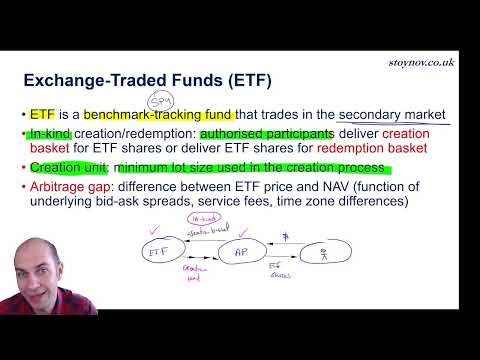
So, how do ETFs work? In simple terms, an ETF is a fund that tracks a particular index, sector, or asset class. It's designed to provide investors with a diversified portfolio by pooling their money together to invest in a variety of assets. ETFs are traded on stock exchanges, allowing investors to buy and sell shares throughout the day. This flexibility is one of the key benefits of ETFs, as investors can quickly respond to market changes. For example, investors can use Technical Analysis to make informed decisions about buying or selling ETFs. ETFs are also transparent, as their holdings are disclosed daily, allowing investors to make informed decisions. To learn more about the mechanics of ETFs, visit the ETF Mechanics page. Additionally, ETFs offer a range of investment options, including Active Management and Passive Management.
🤝 Benefits of ETFs
The benefits of ETFs are numerous, making them an attractive investment option for many investors. One of the primary advantages of ETFs is their diversification, which helps to reduce risk. By investing in a variety of assets, ETFs provide a hedge against market volatility. Another benefit of ETFs is their cost-effectiveness, as they often have lower fees compared to traditional mutual funds. For more information on the benefits of ETFs, visit the ETF Benefits page. ETFs also offer flexibility, as investors can trade them throughout the day. This allows investors to quickly respond to market changes and make adjustments to their portfolios. Furthermore, ETFs are transparent, with their holdings disclosed daily, allowing investors to make informed decisions. Investors can also use Portfolio Management tools to optimize their ETF investments. To learn more about portfolio management, visit the Portfolio Management page.
📉 Risks and Challenges
While ETFs offer many benefits, they also come with risks and challenges. One of the primary risks associated with ETFs is market volatility, as their value can fluctuate rapidly. Additionally, ETFs are subject to liquidity risks, as some ETFs may have low trading volumes, making it difficult to buy or sell shares. For more information on the risks associated with ETFs, visit the ETF Risks page. Investors should also be aware of the fees associated with ETFs, as they can eat into their returns. To minimize risks, investors should conduct thorough research and due diligence before investing in ETFs. They should also consider their investment goals and risk tolerance before making a decision. Investors can use Risk Management strategies to mitigate potential losses. To learn more about risk management, visit the Risk Management page.
📊 ETF Types and Categories
The ETF industry offers a wide range of investment options, with various types and categories available. Investors can choose from index funds, sector funds, commodity funds, and more. Each type of ETF has its unique characteristics and benefits, allowing investors to tailor their portfolios to their specific needs. For example, investors can invest in Technology ETFs or Healthcare ETFs to gain exposure to specific sectors. To learn more about the different types of ETFs, visit the ETF Types page. Investors can also explore ETF Categories, such as Bond ETFs and Stock ETFs. Additionally, ETFs can be used to invest in specific asset classes, such as Real Estate or Commodities.
📈 Investing in ETFs
Investing in ETFs can be a straightforward process, as they are traded on major stock exchanges. Investors can buy and sell ETFs through a brokerage account, just like they would with individual stocks. To get started, investors should research and select the ETFs that align with their investment goals and risk tolerance. For more information on investing in ETFs, visit the Investing in ETFs page. They should also consider factors such as fees, trading volumes, and liquidity. Additionally, investors should monitor their ETF investments regularly and make adjustments as needed. Investors can use ETF Screeners to find the best ETFs for their portfolios. To learn more about ETF screeners, visit the ETF Screeners page. Investors can also consult with a financial advisor to create a personalized investment plan.
📊 ETFs vs Mutual Funds
ETFs are often compared to mutual funds, as both offer a way to invest in a diversified portfolio. However, there are key differences between the two. ETFs are traded on stock exchanges, allowing investors to buy and sell shares throughout the day. Mutual funds, on the other hand, are traded at the end of the day, based on their net asset value. For more information on the differences between ETFs and mutual funds, visit the ETF vs Mutual Fund page. ETFs also offer greater transparency, as their holdings are disclosed daily. Mutual funds, while transparent, may not disclose their holdings as frequently. Investors can use Mutual Fund Comparisons to evaluate the pros and cons of each investment option. To learn more about mutual fund comparisons, visit the Mutual Fund Comparisons page.
📈 ETFs in Portfolio Management
ETFs play a crucial role in portfolio management, as they offer a way to diversify and optimize investment portfolios. By investing in a variety of ETFs, investors can reduce their risk and increase their potential returns. For more information on portfolio management with ETFs, visit the Portfolio Management with ETFs page. ETFs can also be used to implement various investment strategies, such as Asset Allocation and Tax-Loss Harvesting. Investors can use ETF Portfolio Construction tools to create a personalized investment plan. To learn more about ETF portfolio construction, visit the ETF Portfolio Construction page. Additionally, ETFs can be used to invest in specific asset classes, such as International ETFs or Emerging Markets ETFs.
📊 Tax Efficiency of ETFs
One of the benefits of ETFs is their tax efficiency, as they are designed to minimize tax liabilities. ETFs are structured as pass-through entities, meaning that they don't pay taxes on their earnings. Instead, the tax liability is passed through to the investor. For more information on the tax efficiency of ETFs, visit the ETF Tax Efficiency page. This can result in lower tax bills for investors, especially when compared to mutual funds. Additionally, ETFs can be used to implement tax-loss harvesting strategies, which can help to offset capital gains. Investors can use Tax Planning tools to optimize their ETF investments for tax efficiency. To learn more about tax planning, visit the Tax Planning page.
📈 Future of ETFs
As the ETF industry continues to evolve, it's likely that we'll see new and innovative products emerge. One area of growth is in the development of ESG ETFs, which focus on environmental, social, and governance factors. For more information on ESG ETFs, visit the ESG ETFs page. Another area of growth is in the use of Active ETFs, which offer a more hands-on approach to investing. To learn more about active ETFs, visit the Active ETFs page. As the industry continues to innovate, it's likely that ETFs will play an increasingly important role in investment portfolios. Investors can stay up-to-date with the latest developments in the ETF industry by visiting websites like ETF News.
Key Facts
- Year
- 1993
- Origin
- Toronto, Canada
- Category
- Finance
- Type
- Financial Instrument
- Format
- what-is
Frequently Asked Questions
What is an ETF?
An ETF, or Exchange-Traded Fund, is a type of investment fund that is traded on a stock exchange. It's designed to track a particular index, sector, or asset class, and offers a way to diversify and optimize investment portfolios. For more information on ETFs, visit the ETF Explained page. ETFs are often compared to mutual funds, but they offer greater flexibility and transparency. To learn more about the differences between ETFs and mutual funds, visit the ETF vs Mutual Fund page.
How do ETFs work?
ETFs work by pooling investor money together to invest in a variety of assets. They are traded on stock exchanges, allowing investors to buy and sell shares throughout the day. ETFs are designed to track a particular index, sector, or asset class, and offer a way to diversify and optimize investment portfolios. For more information on how ETFs work, visit the ETF Mechanics page. Investors can use ETF Screeners to find the best ETFs for their portfolios. To learn more about ETF screeners, visit the ETF Screeners page.
What are the benefits of ETFs?
The benefits of ETFs include their diversification, flexibility, and cost-effectiveness. ETFs offer a way to invest in a variety of assets, reducing risk and increasing potential returns. They are also transparent, with their holdings disclosed daily, allowing investors to make informed decisions. For more information on the benefits of ETFs, visit the ETF Benefits page. ETFs can be used to implement various investment strategies, such as Asset Allocation and Tax-Loss Harvesting. To learn more about these strategies, visit the Investment Strategies page.
What are the risks of ETFs?
The risks of ETFs include market volatility, liquidity risks, and fees. ETFs can be subject to rapid price fluctuations, and investors may face difficulties when buying or selling shares. Additionally, ETFs may have fees associated with them, which can eat into investor returns. For more information on the risks of ETFs, visit the ETF Risks page. Investors can use Risk Management strategies to mitigate potential losses. To learn more about risk management, visit the Risk Management page.
How do I invest in ETFs?
Investing in ETFs can be a straightforward process. Investors can buy and sell ETFs through a brokerage account, just like they would with individual stocks. To get started, investors should research and select the ETFs that align with their investment goals and risk tolerance. For more information on investing in ETFs, visit the Investing in ETFs page. Investors can use ETF Screeners to find the best ETFs for their portfolios. To learn more about ETF screeners, visit the ETF Screeners page.
What is the difference between ETFs and mutual funds?
The primary difference between ETFs and mutual funds is their structure and trading mechanism. ETFs are traded on stock exchanges, allowing investors to buy and sell shares throughout the day. Mutual funds, on the other hand, are traded at the end of the day, based on their net asset value. For more information on the differences between ETFs and mutual funds, visit the ETF vs Mutual Fund page. ETFs also offer greater transparency, with their holdings disclosed daily. To learn more about the transparency of ETFs, visit the ETF Transparency page.
Can I use ETFs for tax-loss harvesting?
Yes, ETFs can be used for tax-loss harvesting. ETFs are designed to minimize tax liabilities, and can be used to offset capital gains. By selling ETFs that have declined in value, investors can realize losses and use them to offset gains from other investments. For more information on tax-loss harvesting with ETFs, visit the Tax-Loss Harvesting page. Investors can use Tax Planning tools to optimize their ETF investments for tax efficiency. To learn more about tax planning, visit the Tax Planning page.